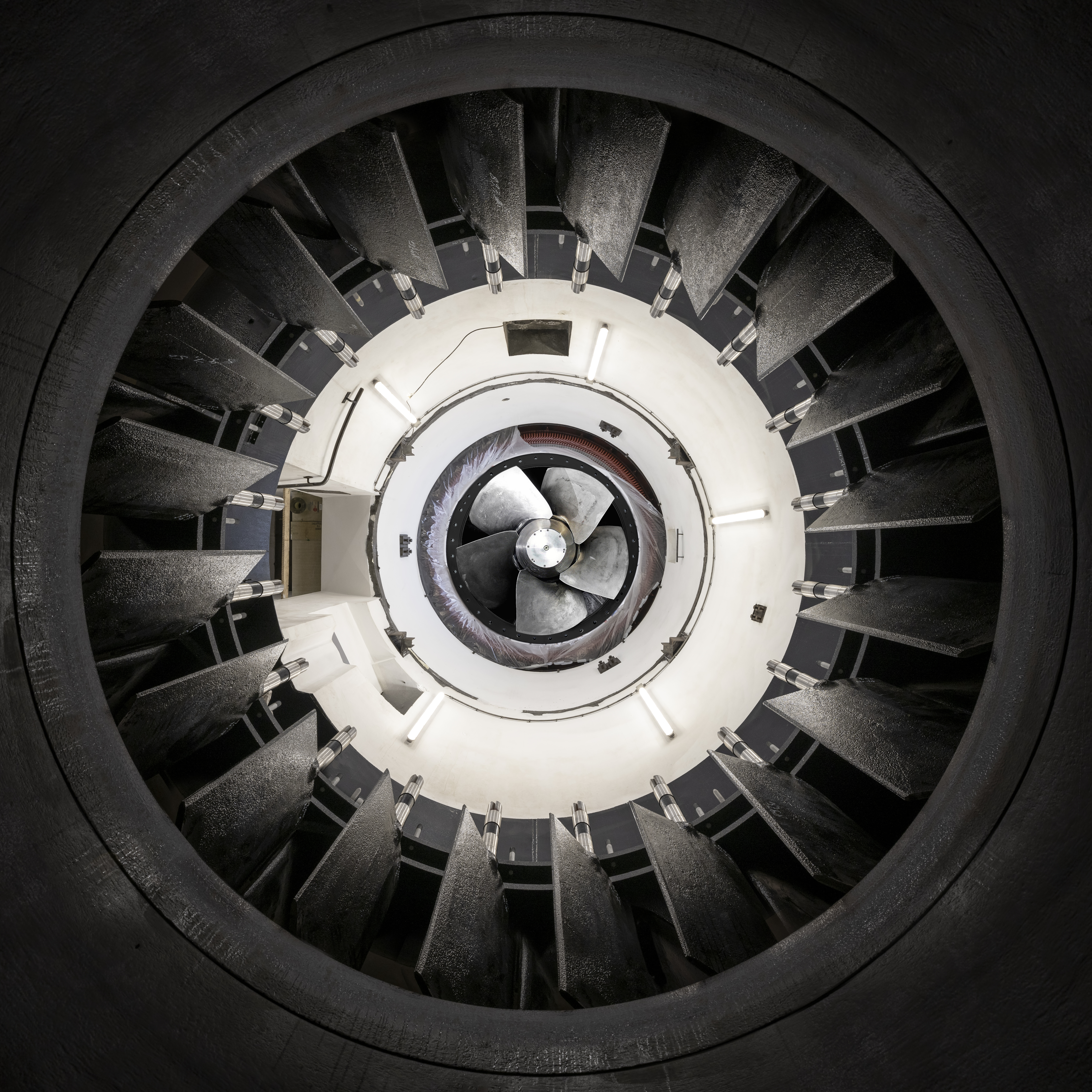
There are three types of hydroelectric installations: blockage, diversion and pump storage. Some hydropower plants use dams and others do not. Although not all dams were built for hydroelectric power, they have proven useful in pumping tons of renewable energy into the grid. Hydroelectric power plants range in size from small systems suitable for a single house or village to large projects that generate electricity for utilities.
The most common type of hydroelectric power station is the commitment facility. A sewer is usually a large hydroelectric system, which uses a dam to store river water in a reservoir. The water released from the tank flows through a turbine, rotating it, which in turn activates a generator to generate electricity.
Project
The implementation of the project includes several sub-processes which are summarized in the following stages:
1. Study
2. Licencing
3. Construction procedure
4. Project delivery